Whether you’re planning a family gathering, a corporate dinner, or a milestone celebration, cooking for a crowd should be treated differently from a meal for one. The goal is to create a menu that allows for smooth timing and the right tradeoff of preparation and flavour. This blog will teach you how to start thinking like a kitchen when you cook. How to multitask and layer your preparation to save time, how to ensure everything is ready at the same time, and how to turn a stressful cook into something controlled, and dare we say, enjoyable.
Why Cooking Techniques Matter When Scaling Up Recipes
Scaling isn’t always as simple as multiplying a given recipe. Factors like seasoning quantities and cooking times differ drastically and can lead to underseasoned or even undercooked dishes. The solution? Cooking using principles and instinct, rather than guesswork and blind recipe following.
If you’re roasting large meat dishes in the oven, season them until their surface area is covered. Use a meat thermometer to monitor the internal temperature. Understand that larger volumes in a pan or oven require a proportional amount of space, otherwise they will behave differently. Proteins will boil instead of sear, and sauces won’t reduce. Good cooking comes down to learning the fundamentals of how ingredients behave, allowing you to alter your techniques to the given situation.
Planning Before You Cook: Mise en Place for Large Groups
Mise en place is a key part of any restaurant, and serves a more important role than simply being organised. Good meal preparation for large groups means everything is cut, measured, portioned, and ready to be added to the heat. It’s often the small tasks that slow home cooks down and throw timings off. Trimming the fat off proteins, cutting up the final garnishes, and looking for ingredients in the pantry.
As a rule, anything that can be done in advance, should be. The only exceptions are for things that deteriorate in quality when done so, such as fruits, vegetables or herbs that discolour, proteins that easily dry out, such as delicate fish.
Essential Cooking Techniques for Bigger Batches
When you’re cooking for a crowd, you don’t have the same luxury of making one perfect portion. Consistency is key. These techniques are built for scale, ensuring flavour and texture are consistent for every plate.
Slow Roasting and Braising for Consistent Results
Meat dishes are perfect for large groups, and slow roasting is one of the best techniques for cooking them. Not only can they be prepared in advance and left in the oven, but they’re forgiving with cook time, allowing you to let the meat work around your side dishes, not the opposite.
When roasting or braising large cuts, a steady low heat breaks down connective tissue without drying it out. Braises lock in moisture and slowly build a wonderful depth of flavour in the oven. Cooking for a crowd means prioritising efficiency and convenience, and large meat dishes tick all the boxes.
Batch Grilling Without Losing Quality
Grilling for a group can be a daunting affair. But with the right planning, it returns dividends in flavour, especially over charcoal or open flames. The key is having multiple heat zones. Preferably, a hot zone for searing and building flavour, a low heat zone for finishing cooking, and a ‘resting’ zone that keeps things warm, without cooking them further. On top of this, it’s important to work in batches, so there’s always food ready to be served, and the grill isn’t overfilled.
Cooking Grains and Rice in Large Quantities
No matter the grain, the same principles apply for large batch grain cooking. Whether it’s couscous, rice, or lentils, the best way to cook them in large quantities is in the oven. While you can get away with using a pot for a few cups, the heat distribution simply doesn’t carry over. With a deep roasting pan, use the standard ratio of liquid for your chosen grain, cover with a few layers of foil, and bake at 170°C.
One-Pot and Tray Bake Methods
One-pot dishes and tray bakes are great for large groups, as they reduce the moving parts (and number of dishes), simplifying the amount of pots you need to keep track of. Popular dishes include roasted meats like chicken and beef bakes, caramelised vegetables, and slow-cooked casseroles. They all hold their flavour when scaled, and usually retain their quality when reheated for service.
Maintaining Flavour Balance at Scale
What works in a small pan won’t always translate directly to a larger batch. When preparing large batch recipes, it’s always better to build flavour in stages, seasoning as you go, layering spices in both whole and ground forms, and most importantly, tasting constantly. Remember, you can always add, but can never remove, so season with care and intention.
Food Safety and Temperature Control for Big Gatherings
The sheer amount of things to keep track of when cooking for groups can be overwhelming, but it’s vital to uphold food safety. Always ensure food is served at a safe temperature. If something needs to be chilled, don’t leave it out at room temperature for hours. And importantly, avoid cross-contamination by using different cutting boards and utensils for raw and cooked foods.
Presentation Tips for Serving Large Groups
Cooking for groups means plating can’t always be as refined as you’d like. Use shared platters and layouts that are easy to scoop and portion. Garnishes should be functional, as well as aesthetic. For a truly luxurious dining experience, use stainless steel serving trays and warming lights to retain heat.
Professional-Style Group Dining at Hunter & Barrel UAE
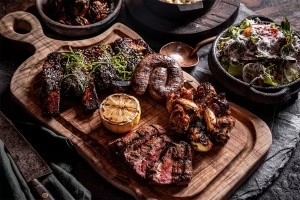
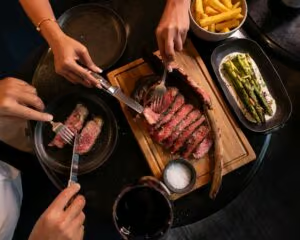
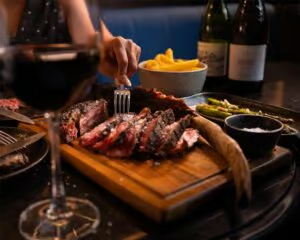
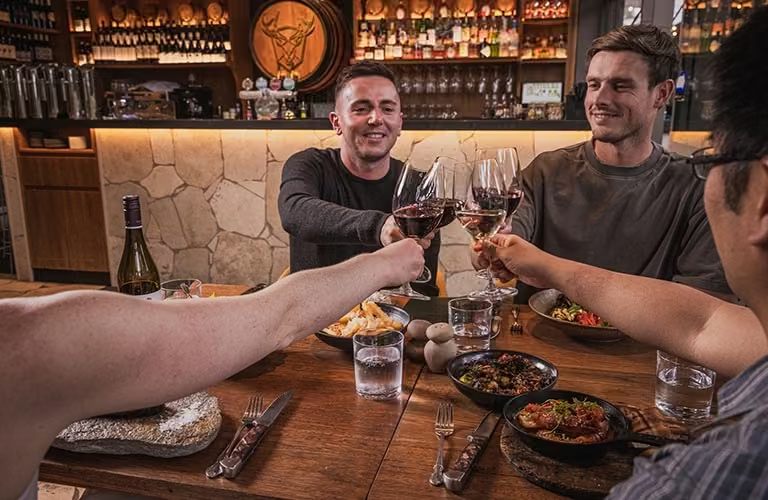
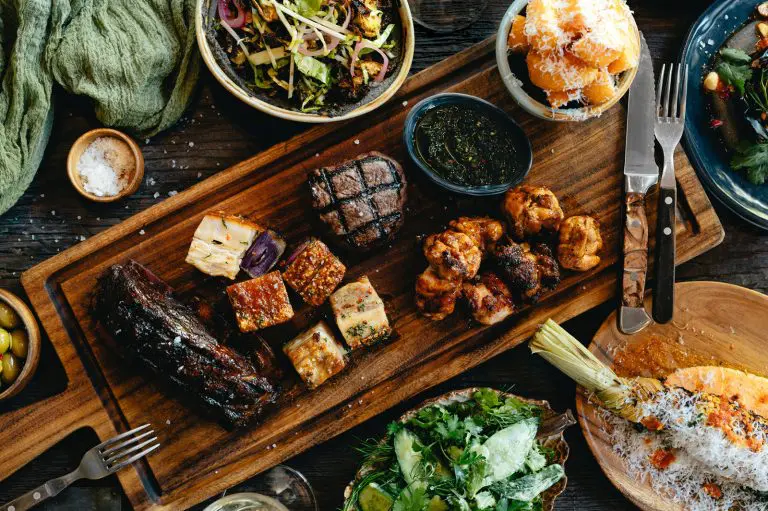
Hunter & Barrel UAE delivers the best meat dishes for large groups, cooked over an open fire. From bold, premium cuts of steak to refined dishes, every plate is given the same consideration and care that extends to each guest at our restaurants. For a group dining experience to remember, book your table at Hunter & Barrel UAE today at our two locations in Emirates Hills and Yas Bay.